I thought my brain was broken, turns out it was AuDHD
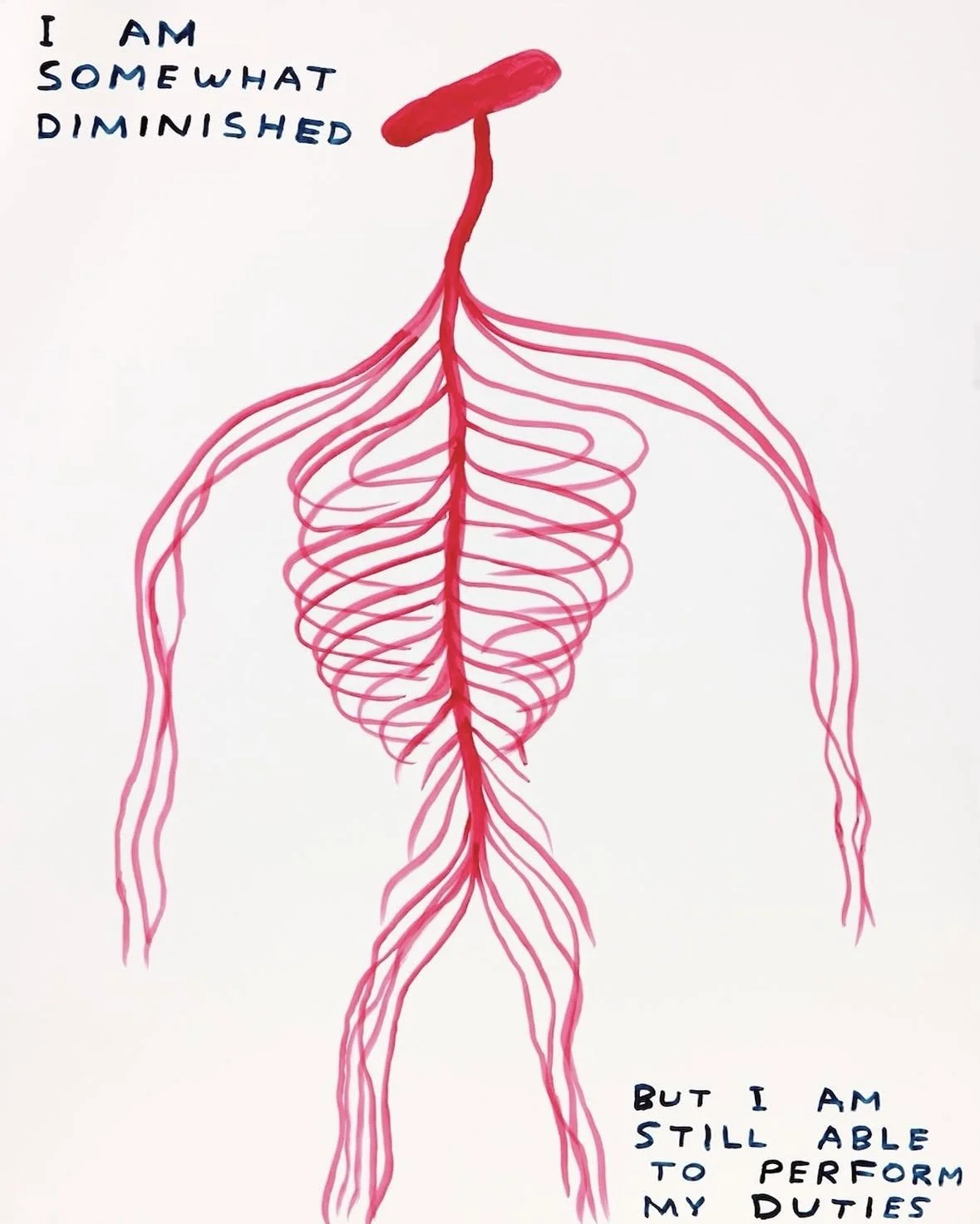
©David Shrigley
Losing things, not allowing myself to wee because I am FOCUSED, walking into rooms with no idea why I am there, emotions all over the shop, extremely sensitive, tears, rage, delayed emotional processing, intense interests, mistakes at work, low social battert, fast talker interrupting queen, forever walking into things, the LOUDEST brain that never shuts up, anxiety and depression, all of which turned out to be AuDHD.
So, how did we get here?
Can’t Brush My Teeth + Work Woes = The Catalyst for Seeking a Diagnosis
To look at how this all began, we have to take a short trip back to 2025. Last year, I experienced severe physical health issues, which in turn took a heavy toll on my mental health. Normal things like brushing my teeth, showering, and taking care of myself became impossible, and my brain went to a dark place. Put simply, I was burned out to a crisp. I was off work for a significant period of time until things started to settle down towards the beginning of 2026.
However, the problem was that I returned to work before I even had a break to recover from the year of hell and went straight back into working. Thankfully, I was able to go part-time, but I pretty much resumed normal duties quickly. But I wasn’t performing normally. I was making silly mistakes, mistakes I never made previously, regularly. My memory was not as good, and my comprehension became really poor. It was jarring to me because I genuinely could not see what was wrong until it was pointed out. It was like my brain never processed it. It became so noticeable that I had a performance review and multiple colleagues had noticed the changes, and when I thought about it, I couldn’t really pin down a physical cause.
Analysing how and why the mistakes and miscommunications were happening, it became clear that it pointed to signs of ADHD. Hyperfocusing on tasks and completely forgetting about others, losing track of time, and then overthinking every single piece of work that I began to make more mistakes, and I was constantly anxious and in streams of tears at my desk almost daily. I had no energy for anything after work; I had reduced capacity for small talk during calls and was forgetting basic self-care like brushing my teeth and washing my face in the mornings, not being able to go to the toilet until I finished a task in fear of losing my train of thought or missing lunch completely. The anxiety was paralysing, and I wasn’t sleeping and was heading into a dangerous area: the depression pit.
ADHD symptoms affecting my work were the catalyst for diagnosis because I was already a disabled and chronically ill employee. I couldn’t be an undiagnosed and unmanaged ADHD one. Adding more stress on me, because I lived in constant fear that year of losing my job at any time due to health and now underperforming that put me at more risk of being let go in my mind because why would you keep someone who can’t work full-time, has been off sick loads and now isn’t able to perform when they are at work. At least before, I was able to perform even in pain. My goal for diagnosis was to be able to get strategies that would be able to help me find my rhythm at work again whilst I was trying to heal from this period of severe burnout.
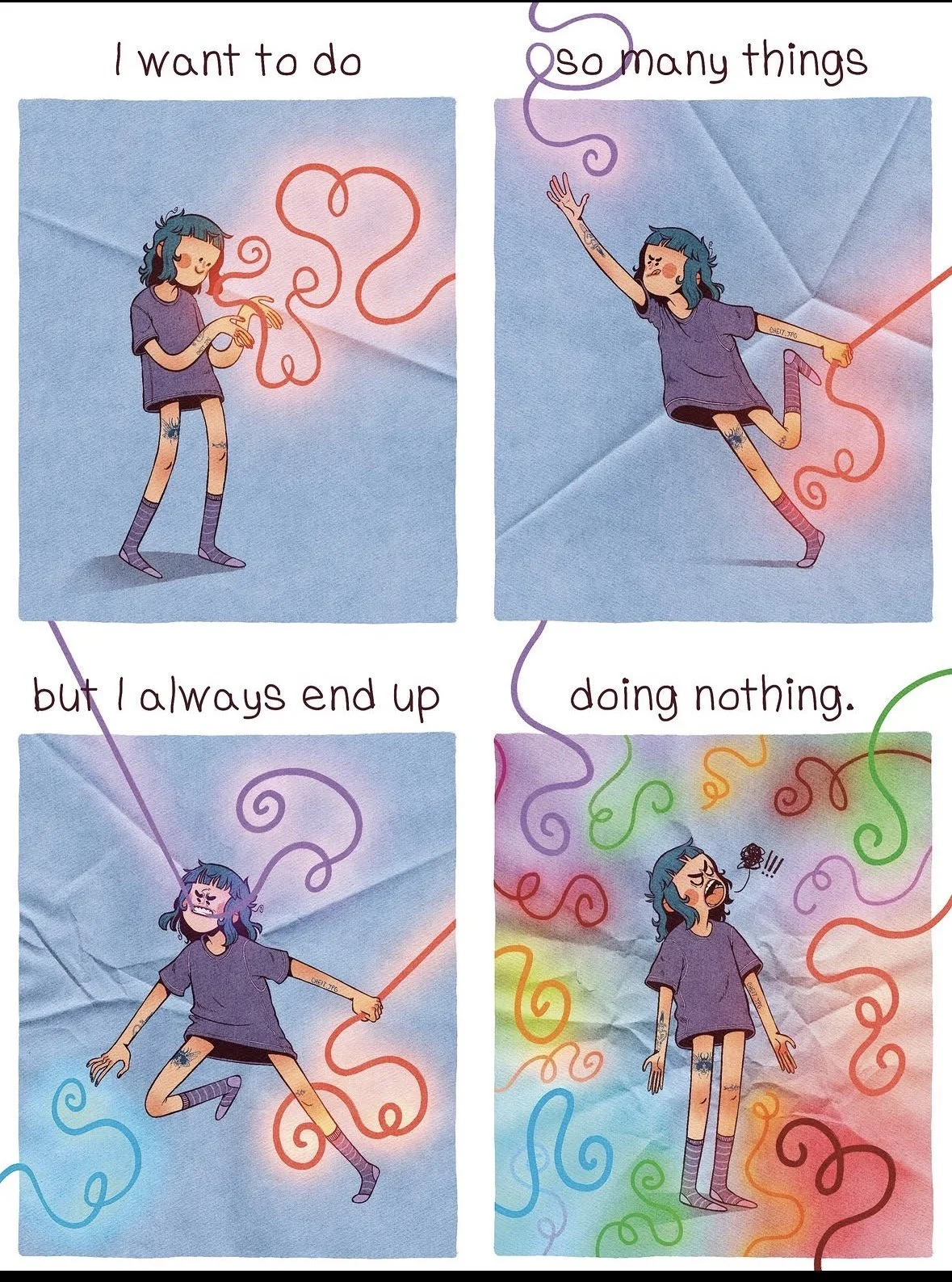
©cheit.jpg on Instagram
Congrats You’ve Got ADHD and So Have Your Parents: It’s Gotta Come From Somewhere, Right?
The process for diagnosis was fairly straightforward. After a performance review at work, I went to my GP to talk about ADHD. I explained that it is severely impacting my work to the point that my employer and colleagues have noticed, I have noticed, and it’s also affected me all my life, but because employment = money = food and living, etc I needed to address it. I went in with a list of things I researched, such as how ADHD affects women and women in the workplace, and the things I was and have struggled with as an adult, teenager and child.
She then had me do a questionnaire for both ADHD and ASD (Autism Spectrum Disorder). My scores leaned heavily toward ADHD but also picked up on ASD traits. The NHS wait can be years long, so we went through the Right to Choose pathway, and my assessments for both would be through Psychiatry UK, in order to get a quicker diagnosis. She did warn me that their lists are long too, but for me, luckily, everything was really fast. From seeing her, within a month I had my ADHD assessment, and then a month after that I had my Autism assessment
You have to fill out MORE questionnaires, and I hyperfocused and got it all done in one session. My dad had to fill out an informant [so formal!] questionnaire, as you had to have someone who knew you as a child, so my parents did it together. My dad, however, deleted the email because he thought it was coming from me and probably thought it was spam, so it took a bit longer to have the official paper diagnosis. I was then invited for a virtual assessment, and I could have done it the day after opening the link, but I needed more time, so I did it a few days later.
I was nervous, largely in case I forgot something that was important and in anticipation of the questions that I would be asked. I had a very nice psychiatrist, and I could tell at points she was trying to steer me / stop me from going off a tangent for the 4th time. It was weird because she just let me reel off and then asked questions, and 40 minutes later I had an ADHD diagnosis, advice, referrals for therapy and was put on the list for medication [which, by the way, is a 12-month wait!]. So, by 10 am on a random Saturday in July, I was diagnosed with ADHD.
When I told my parents, it was quite funny actually we were on a WhatsApp video call and my dad said when they were filling out the form my mum kept saying to him ‘that sounds like you,’ well, mum it’s gotta come from somewhere! In that call, my dad showed his traits: diverting conversations, walking out of the room mid-conversation with us, not fully listening and then talking about how he wanted to show me the redecorating they were doing.
My mum is not totally off the hook as some things are from her too. She has big time blindness, and when I brought that up, she said, ‘I can’t deny that.’ It was a really revealing, lighthearted conversation, especially learning from my mum’s perspective how she saw ADHD in me as a child, in how I converse and sometimes thought I was rude because I interrupted a lot, but my interruptions were because I was excited and just needed to get the words out.
I am very lucky they were supportive and filled out the forms as quickly as possible because getting the diagnosis has meant a lot to me. It gave me a reason for why I am the way I am and that my brain is not broken, it’s just wired differently and that’s ok.
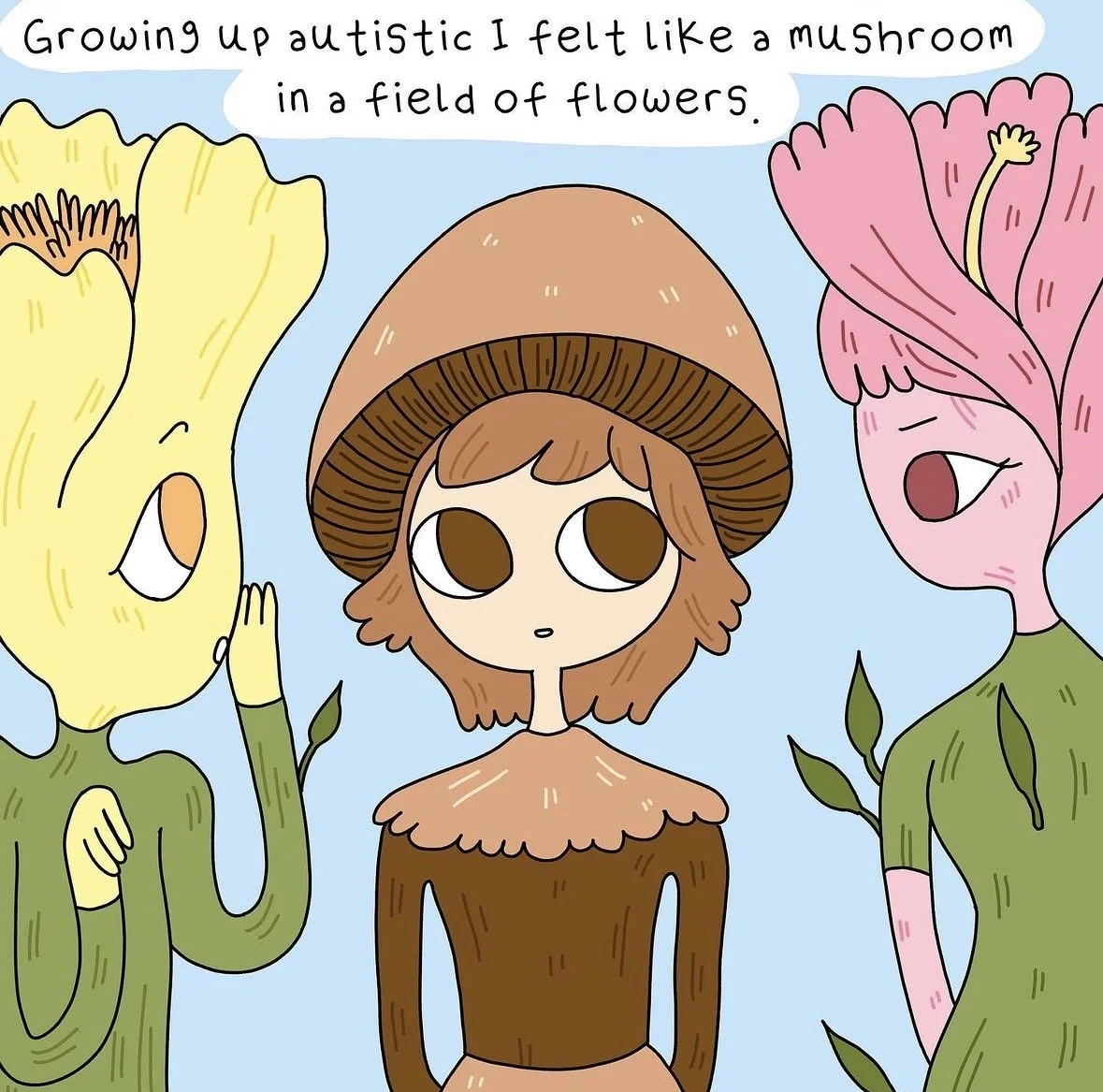
©kyahcomic on Instagram
Couldn’t just have one? Hello ‘high-functioning’ Autism
After also scoring 8/10 during my GP questionnaires for ASD (Autism Spectrum Disorder), I also underwent testing for Autism and, surprise, surprise, it was diagnosed. This one was harder for my partner to answer in the informant questionnaires because a lot of what I experience in terms of autistic traits feels very internal for me, or so at least I thought….
“Saffiyah presented with reduced social reciprocity during the assessment. There was a reduction in reciprocal to-and-fro communications with difficulties sustaining a naturally flowing social exchange. Persistent deficits in initiating and sustaining social communication. Eye contact was intermittently noted to be somewhat fixed.” - So clearly there is some visibility there!
I have struggled in social situations, from jokes going over my head to anxiety about how much or how little I should speak, whether I am too loud or too quiet, and whether I have the right response. Trying not to look bored / trying to look engaged when I am really not interested. From joining work meetings last to avoid small talk and struggling internally with group dynamics, usually latching onto a ‘safe person.’
My biggest struggle, however, is being able to recognise and express my own emotions. Often I don’t know why I am upset in the moment, and it can take hours or days for me to realise why and feel pressured to name an emotion I don’t have. It is why I can write about emotions well because it is usually a long time after the event has taken place and I can process things from an almost outside perspective. I also have the tendency to feel other people’s emotions intensely and adjust my behaviour to this to avoid conflict and reduce my own wants and needs to ‘keep the peace.’
There were other classic signs like rigidity in routines and inflexibility, repetitive movements, sensory difficulties, social exhaustion and intense interests. The assessment was a lot and draining, but very helpful. The psychiatrist mentioned the term ‘high-functioning ’, stating it’s not a useful term but a known one and that I was very high-masking, which is how I have gotten as far as I have through education and career, but that doesn’t reduce that I am struggling now. The focus was very much on how I can protect myself now, knowing that I am autistic. The follow-up care isn’t great, which he acknowledged, and they are trying to change, but I was given a document to give to employers for reasonable adjustments, as my biggest challenge has been in the workplace in the last year. I feel more at peace having a reason for why some things are a challenge for me, why I need more rest, and, weirdly, why I am very sensitive to medication side effects and my migraine threshold is very low.
AuDHD & Comorbidities: A Collector of Diagnoses
One thing I have learned in life is that everything is connected, and neurodivergence was part of a puzzle I was missing when it came to emotions and hormones. For those new here, I have endometriosis, which comes with brain fog, fatigue, mood swings and much more. In a podcast released last year, Dr Jolene Brighten, a naturopathic endocrinologist, talks through research that shows how women diagnosed with ADHD are more likely to have endometriosis and vice versa. She discusses the role of estrogen and how it impacts ADHD symptom flare-ups and endo growth, how chronic inflammation can affect executive function and more. I find her work and focus on how hormones affect ADHD symptoms really interesting. She has a book out soon on this very topic!
A 2025 review of research on ADHD in women and the impact of hormonal fluctuations, from puberty, menstrual cycles to pregnancy and (peri)menopause. The research looks at the role of estrogen and progesterone on dopaminergic pathways, when periods of lower estrogen may affect cognition, as well as the manifestation of executive dysfunction and the intersection of ADHD with reproductive health. It found that these fluctuations exacerbated ADHD symptoms and mood disturbances, and despite this, pharmacological research and tailored treatments are lacking, shocker!
The study also notes that undiagnosed women have increased vulnerability to premenstrual dysphoric disorder (PMDD), postpartum depression and cardiovascular disease during perimenopause. Further research highlights that women with ADHD suffer from comorbid conditions with more frequency and severity than men with ADHD or the neurotypical population. ADDitude’s 2023 survey found that 93% of women reported at least one related diagnosis, including anxiety, depression, PTSD, migraines, PMDD and autism.
For me, as someone who had been on continuous hormonal suppression in the last year through the method of Slynd, a progestin pill which is a synthetic form of progesterone, I was severely lacking in estrogen. This was done with no break to try and help manage and slow endometriosis growth, so my estrogen was severely depleted and could have been one of the factors in why my ADHD symptoms started to become disabling.
What this research shows is that there is a link between several conditions that are severely underdiagnosed in women and those assigned female at birth. For example, you have ADHD, which impacts executive functioning, so it could affect the ability to consistently track symptoms and stick to treatment plans. I know I find it hard to remember all the tools that can be helpful to endo flares. One thing I struggled with massively was bathing for pain relief because of the extra steps: pre-showering, drawing the bath, getting bored lying there and the effort of showering afterwards.
Autism also overlaps with these conditions. For example, a study found that approximately 92% of autistic women meet the diagnostic criteria for PMDD (Obaydi and Puri,2008).
I could write a whole piece on this section alone, so take this as a snapshot and see the resources at the end for more information. Ultimately, we need more neurodivergent informed research and particularly research looking into the experience of women and those assigned female at birth, so we can support earlier diagnosis, better interventions, and avoid millions suffering alone and thinking there is something wrong with themselves.
Quitting Doesn’t Mean Failure: Healing from Burnout
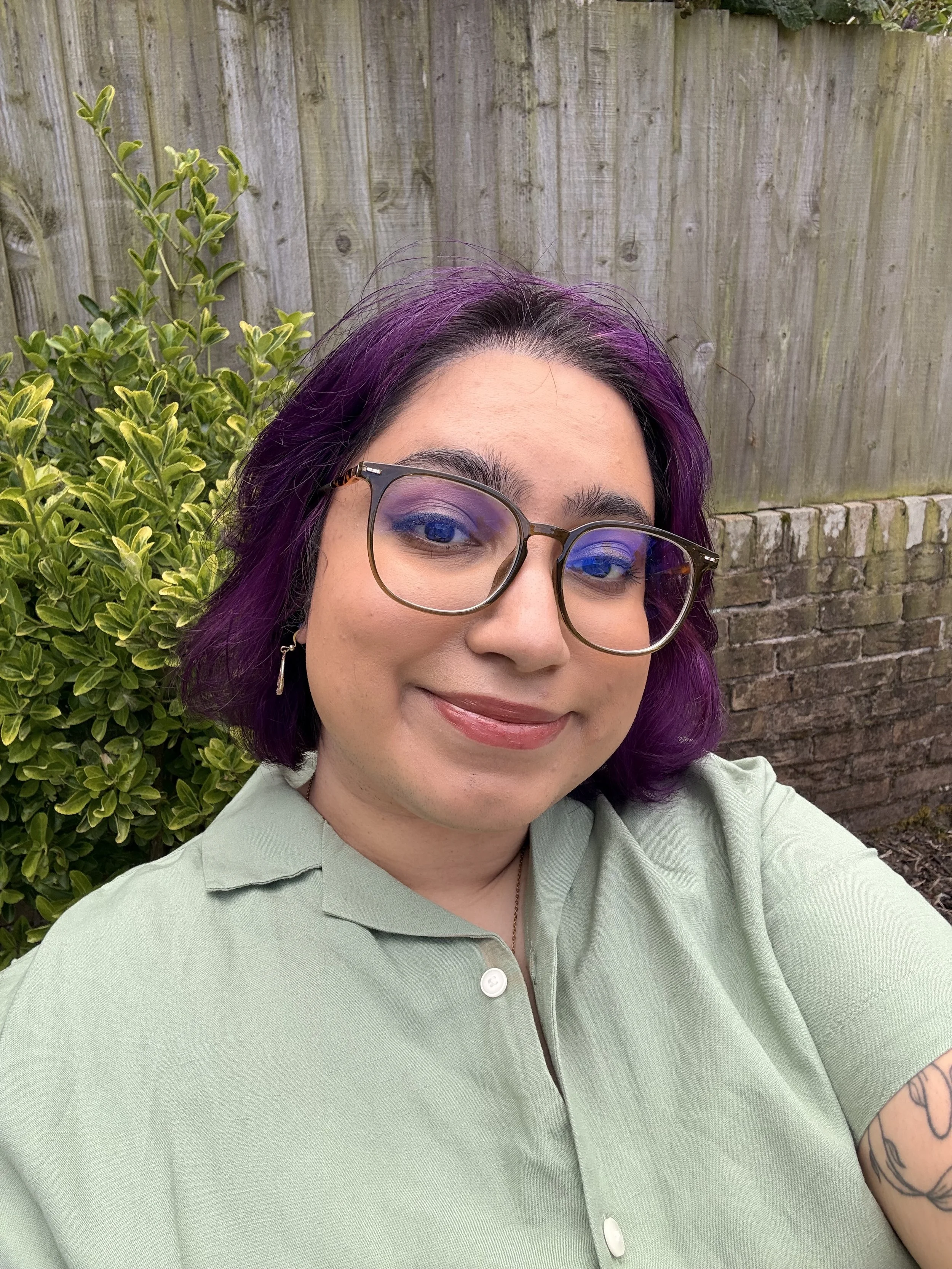
I quit my job because of AuDHD burnout. Wow, that feels very weird to put out there, but it was kind of the last straw. I had an incredibly tough 2025 physically, which essentially unmasked the hell out of ADHD and Autism when I returned to work without any real rest period from the sick leave that kept me off because, well financially I got worried and the endless worry I would be let go if I didn’t attempt to go back to work.
I struggled more than I’d like to think, and because of that I sought these assessments in the hope I could get advice on adjustments that would help me do my job while I healed through this burnout. But, ultimately, this didn’t go down the way I’d have liked. My thought process on sharing some adjustments and advice for managers from ADHD charities that it would be an open dialogue on what would work for my job, but it didn’t. I ended up having my job reduced to nothing, told there is a limit to accommodations, being communicated to by ChatGPT in emails and after a week of that, I couldn’t hack being only spoken to by AI, so I quit. I didn’t want to overthink every decision, spend many of my days in tears and be a shell of a person outside of work.
Now, this wasn’t the only reason. I hadn’t enjoyed the industry in a while, and there were other strains I won’t talk about that left me worried about job stability. I wanted to take agency back and leave, spend time upskilling myself, having full energy to apply for jobs I would have genuine interest in and that may be able to better accommodate me, volunteering, blogging and growing BrownGirlEndo.
I recently had a job interview which really restored my faith in myself that I am a good communicator, that I am capable of doing my job, and that I made the right decision to leave. I didn’t get the job because I didn’t have the sector experience, which was fair enough, but knowing I had some of the best answers in some areas and that my commitment to disability and inclusion was a strength gave me the confidence boost I really needed.
I am learning more about ADHD and Autism, how I can help myself and how my brain works after a lifetime of not knowing. It’s scary and exciting!
PS: I internally screamed because I LOST this doc TWICEEEEE. First I deleted it off Squarespace, and then it disappeared from Proton Docs, so now I am back with good ol pages. I wanted to yeet this laptop out of the window. WHY DOES THIS HAPPEN?! At least I remembered the headline, rip to what was my brain xo